
Loose vs Glued Steel Fiber for Concrete: Buyer Decision
Short answer: loose steel fiber and glued steel fiber are two delivery formats of the same reinforcement product, not two performance grades. Both are specified by material, diameter, length and tensile strength - for the TingCo steel fiber line, carbon steel wire, 0.5-1.0 mm diameter, 25-60 mm length and 1100-2100 MPa tensile strength, including the 60 mm option used in industrial flooring, tunnel segments and mining. The format decision is therefore a handling, dosing and mixing decision, and it should be settled against your batching plant, your feed point and your placement method - not against a datasheet headline.
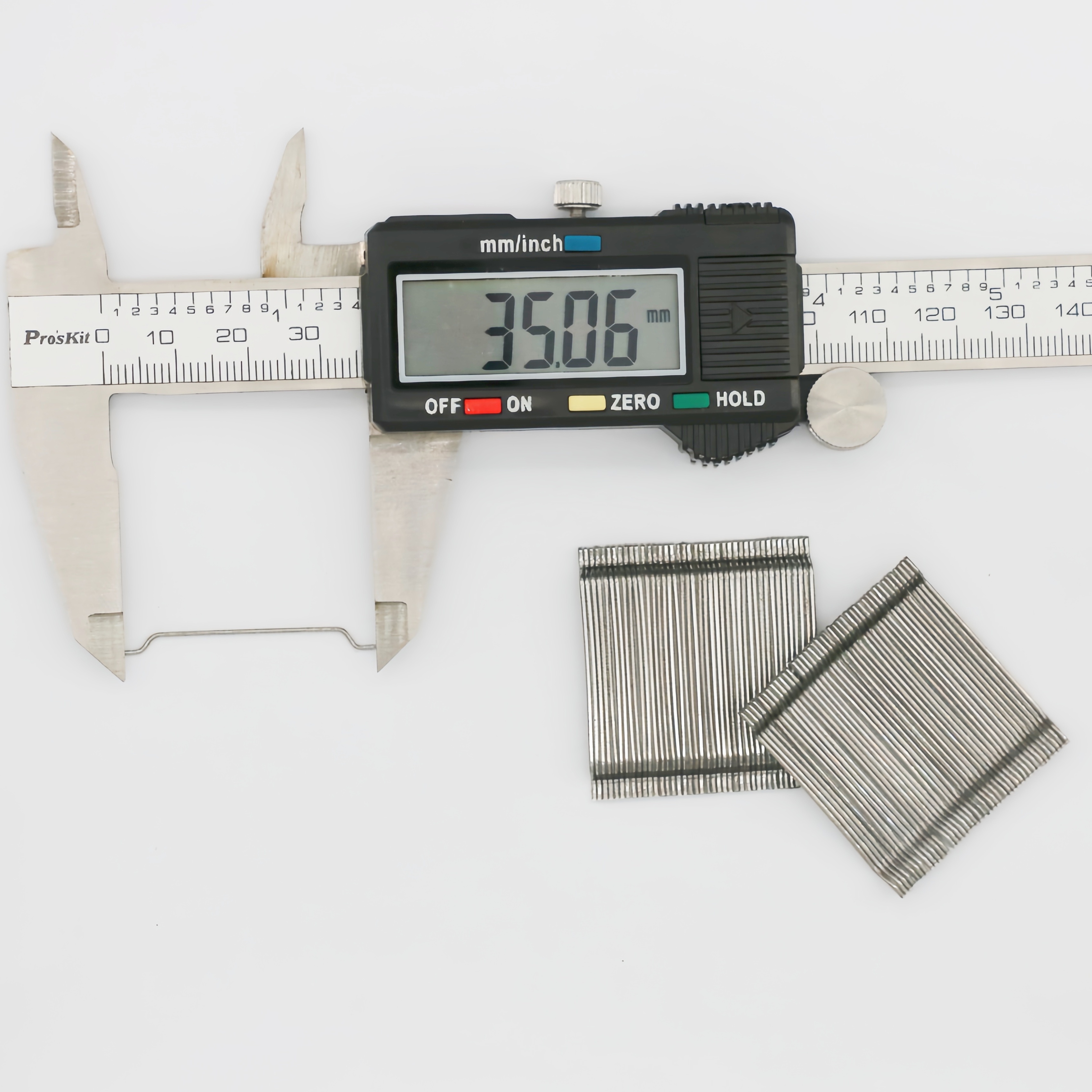
The Problem: One Specification, Two Site Behaviours
Loose steel fiber is supplied as individual, separated fibers; TingCo's range lists them as hooked-end loose steel fibers. Glued steel fiber is supplied as bundles of fibers held together with a water-soluble glue that releases the individual fibers once the bundle meets water and mixing shear; the same range lists them as glued bundled steel fibers. Alongside these two formats the company also manufactures brass-coated micro steel fibers, stainless steel micro fibers and PP macro, micro and twisted fibers.
The decisive point for buyers is that the glue is a handling aid, not a reinforcement mechanism. In the hardened matrix the load-bearing element is the same steel wire either way, which is why a steel fiber specification lists material, diameter, length and tensile strength rather than bundle format. The buying problem is narrower and more practical: two quotations can both read steel fiber, 60 mm and still deliver completely different behaviour at the feed point, in the drum and on the finishing pass.
Material: Carbon steel wire
Diameter: 0.5-1.0 mm
Length: 25-60 mm (60 mm option available)
Tensile strength: 1100-2100 MPa
Model designations: TC-07560-HNG, TC-07560-HHG, TC-05535-HNG, TC-07535-HNL
Intended industries: Industrial Flooring, Tunnel Segment, Mining
Three items are usually left open in a first quotation, and each of them belongs to the format decision: the delivery format itself, the packaging type, and the feed method the site intends to use. Trade shorthand such as 80/60 compresses length and aspect ratio into a single label, but it says nothing about whether the fiber arrives loose or bundled. That gap is where costly misunderstandings start.
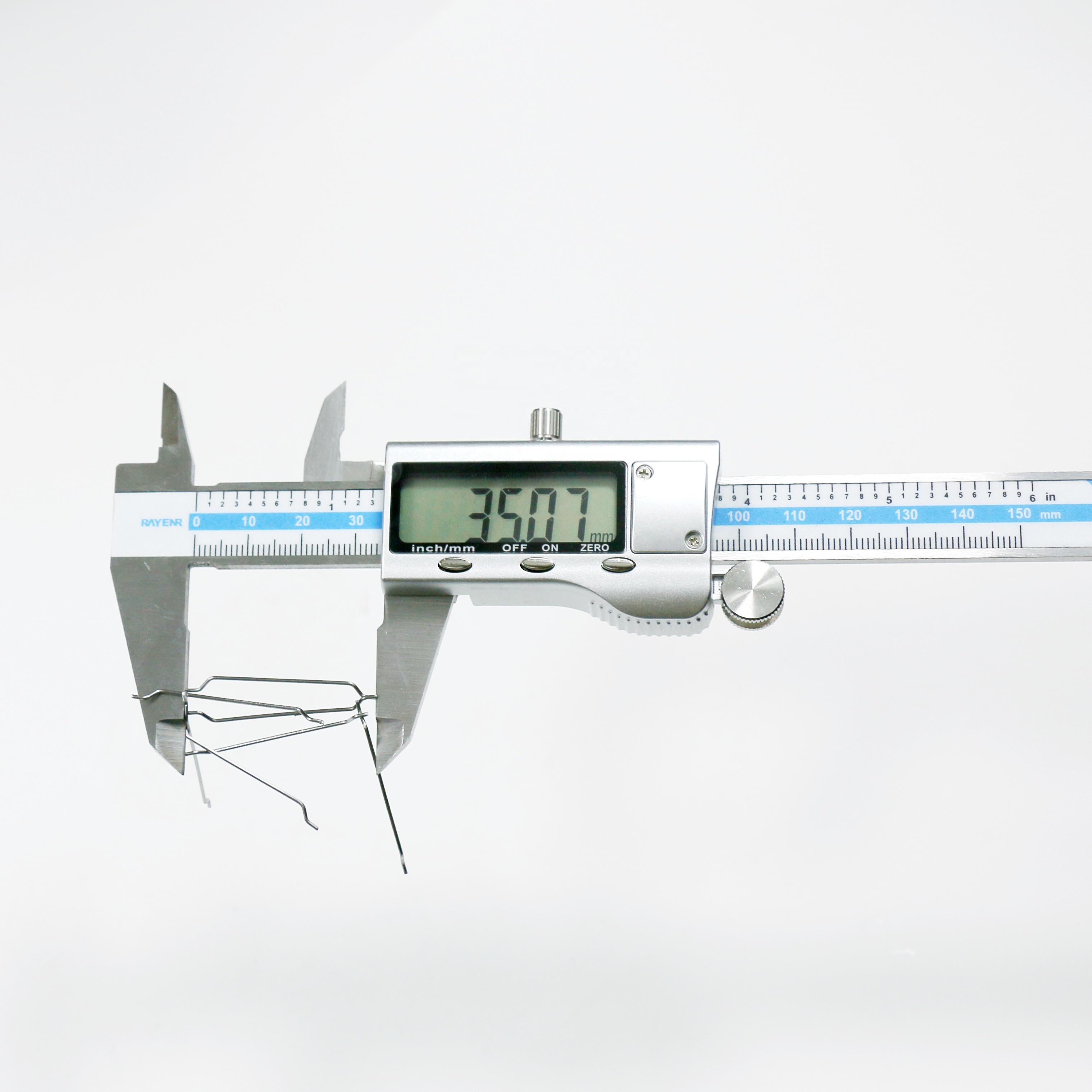
Industry Background: Why the Format Question Now Reaches the Tender Stage
Scale explains why this decision is no longer a detail. Fortune Business Insights projects the global steel fiber market to reach about USD 2.87 billion by 2026, with the industrial floors segment accounting for 37.28% of the market in 2026 and hooked-end steel fibers holding 58.89% of the type segment. The two largest pools - floors and hooked-end fiber - sit exactly where buyers choose between loose and glued delivery.
Standards, meanwhile, describe the fiber rather than the bundle. ASTM A820/A820M-16 is the core global specification covering five types of steel fibers for fiber-reinforced concrete, and EN 14889-1:2006 defines the definitions, specifications and conformity requirements for steel fibers in the European Union. TingCo products are CE certified in accordance with EN 14889-1, comply with ASTM A820 and ISO 13270, and are produced in an ISO 9001 quality certified factory. Because conformity is assessed on fiber properties, the word glued rarely appears on a certificate; it has to be written into the purchase order, the packaging specification and the receiving inspection.
That is the practical consequence for a buyer in the research stage: compliance documents confirm the fiber, not the site workflow. A supplier can be fully compliant and still deliver a format that fights your mixer, your dosing equipment or your storage conditions. Specifying format, packaging and feed method before the price discussion removes that variable from the risk column.
Handling and Site Logistics
Loose fiber is easier to inspect and easier to weigh in small batches, because what is in the bag is exactly what you see. The cost of that transparency is attention at the feed point: individual fibers can bridge and nest at the hopper or in the feed screw, so a steady controlled flow beats a single dumped charge. TingCo's dosing guidance makes the same point from the other direction - avoid dumping a large quantity at one time, which can cause clumping.
Glued bundles move as a granule until they meet water and mixing shear. That is the format's practical selling point: feed behaviour is more predictable and the bundle delays individual fiber separation until the drum, rather than at the receiving hopper. The trade-off is dependence on the glue releasing fully, plus a storage question - humid and confined conditions are routine in tunnel and mining work, so confirm with the supplier how the bundles behave after storage in that environment.
Three questions settle handling quickly. Does the supplier pack in water-soluble bags or standard bags? What storage condition keeps the delivered format free-flowing? And which feed point will the site actually use - a dosing machine, or manual batch charging? Answer these before comparing prices, because they change labour and cycle time.
Dosing: What the Format Changes and What It Does Not
Dosage is set by the mix design and the application, not by the delivery format. TingCo's dosing guidance gives the working bands: shotcrete 20-40 kg/m3, industrial floors 15-30 kg/m3, and precast elements 10-30 kg/m3. Switching from loose to glued does not change those numbers. It changes how the fiber is introduced, and how long it takes to disperse.
| Application | Working dosage | Format consideration |
|---|---|---|
| Industrial floors | 15-30 kg/m3 | High-volume pours; feed rate and clumping control dominate the choice |
| Shotcrete | 20-40 kg/m3 | Highest dose band; dispersion at the nozzle and rebound behaviour dominate |
| Precast / tunnel segments | 10-30 kg/m3 | Plant-controlled batching; batch-to-batch repeatability dominates |
Dosage bands are the working ranges published in TingCo's dosing guidance; the format notes describe selection logic and are not dosage values.
Packaging is part of dosing. Water-soluble packaging bags can be fed directly into the mixer together with the aggregates and dissolve in about five seconds; non-water-soluble packaging should be spread evenly in batches instead. If the site intends to charge bags whole, that has to be specified at order stage, because in that workflow the bag functions as the dosing device.
Weighing discipline does not relax with either format. Determine the dose from the mix design, weigh the fiber, then add - the sequence matters more than the format when a pour is already running late.
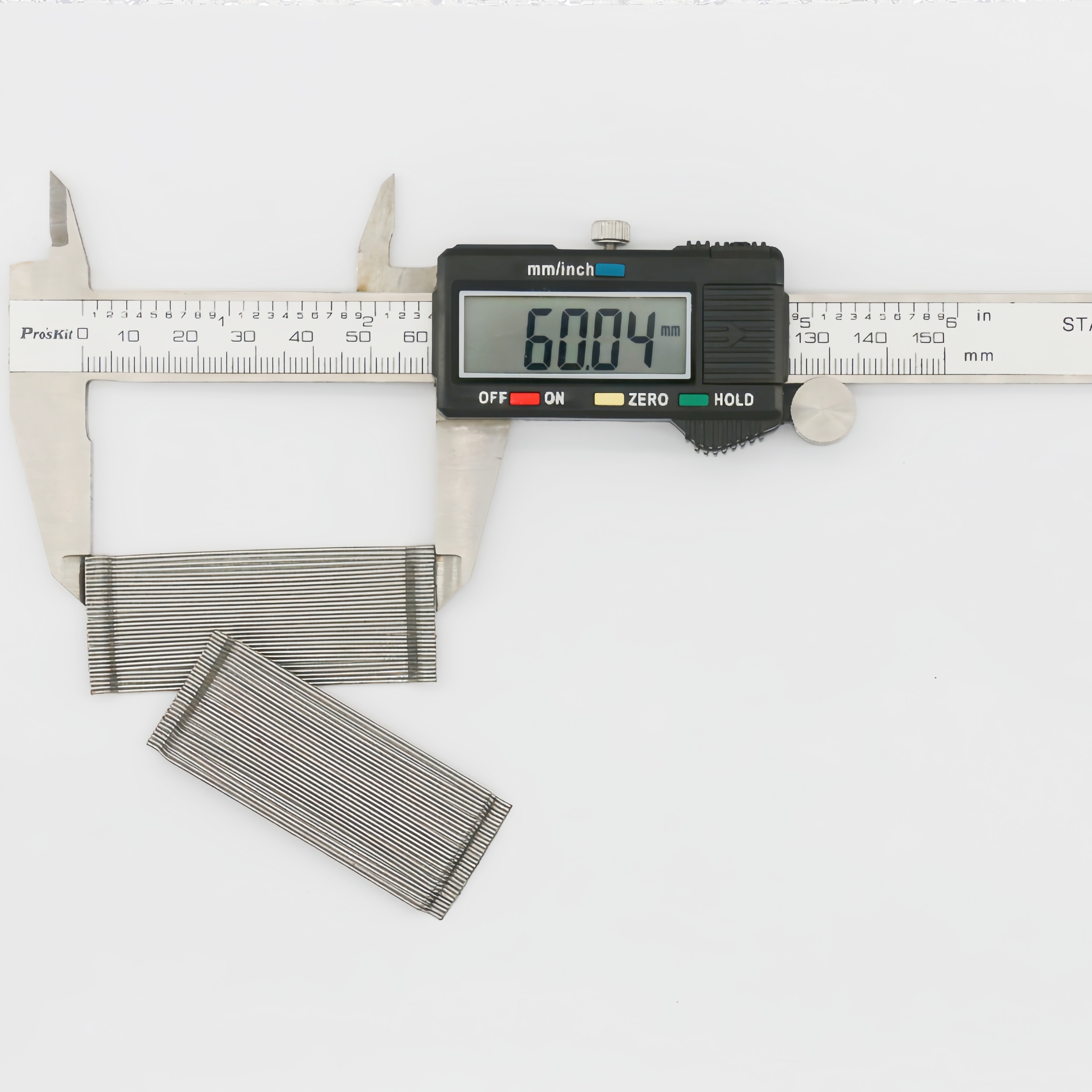
Mixing: Dispersion, Clumping and Mix Time
Both formats require a longer mixing cycle than plain concrete. TingCo's guidance is to extend mixing time by 30-60 seconds compared with normal concrete, then check slump and workability and adjust the superplasticizer dose if necessary. Nothing about the bundle removes that step.
The reason buyers choose glued bundles is dispersion control at the start of the cycle: the bundle enters the drum as a unit and separates under mixing action rather than at the feed point. Whether that advantage shows up in your mix depends on the dose, the mixer type and the slump - which makes it a trial question, not a brochure question. At the top of the shotcrete band, where dispersion is hardest, the format difference is most visible; at the bottom of the precast band it can be marginal.
The application requirements are identical for both formats: high dispersion uniformity, no agglomeration during mixing, good compatibility with cement, and alkali resistance. Matched equipment for these applications includes a dosing machine, a concrete mixer and a spraying machine, and that equipment list belongs inside the format decision - a feed method that suits a dosing machine may be poor practice at a manual charging point.
For long transport distances with mixer trucks, pre-mixing at the batching plant is recommended. A bundle that has not fully separated when the truck leaves the plant is a delivery risk, and that risk grows with haul distance and with the time pressure of a large floor pour. Operators should also wear protective gloves and goggles when handling fiber, whichever format is used.
Acceptance is settled on hardened concrete. EN 14651 three-point bending beam tests, ASTM C1609 beam tests and ASTM C1550 panel tests measure residual flexural strength and toughness index, and they are the basis for design and acceptance of steel fiber concrete. Run both formats through the same method and compare residual strength results and mixing effort - not bag appearance.
Step-by-Step: How to Run a Loose vs Glued Trial
- Lock the specification line first. Carbon steel wire, diameter within 0.5-1.0 mm, length within 25-60 mm, tensile strength within 1100-2100 MPa, and the 60 mm option if the design calls for it. Format must be the only thing that changes between the two trial mixes.
- Set the dose from the mix design. Industrial floors 15-30 kg/m3, shotcrete 20-40 kg/m3, precast elements 10-30 kg/m3.
- Order both formats at the same specification, from the same production line where possible, and state the packaging type for each.
- Match the feed method to the site. Dosing machine feed, manual batch spreading, or water-soluble bags charged into the mixer with the aggregates.
- Mix to the supplier instruction. Extend the cycle by 30-60 seconds and watch both the feed point and the drum for balling.
- Check slump and workability, adjust the superplasticizer, then cast specimens for EN 14651, ASTM C1609 or ASTM C1550 testing.
- Record the full comparison - feed interruptions, mixing time, slump, finishability and residual strength results - and choose on total effort and consistency, not on one line of the quotation.
Keep the trial honest by using the mixer the project will actually use. A laboratory mixer will flatter glued bundles at high dose, and it will hide the bridging tendency of loose fiber that appears in a production drum at low slump.
Use Cases: Industrial Flooring, Tunnel Segments, Mining
Industrial flooring
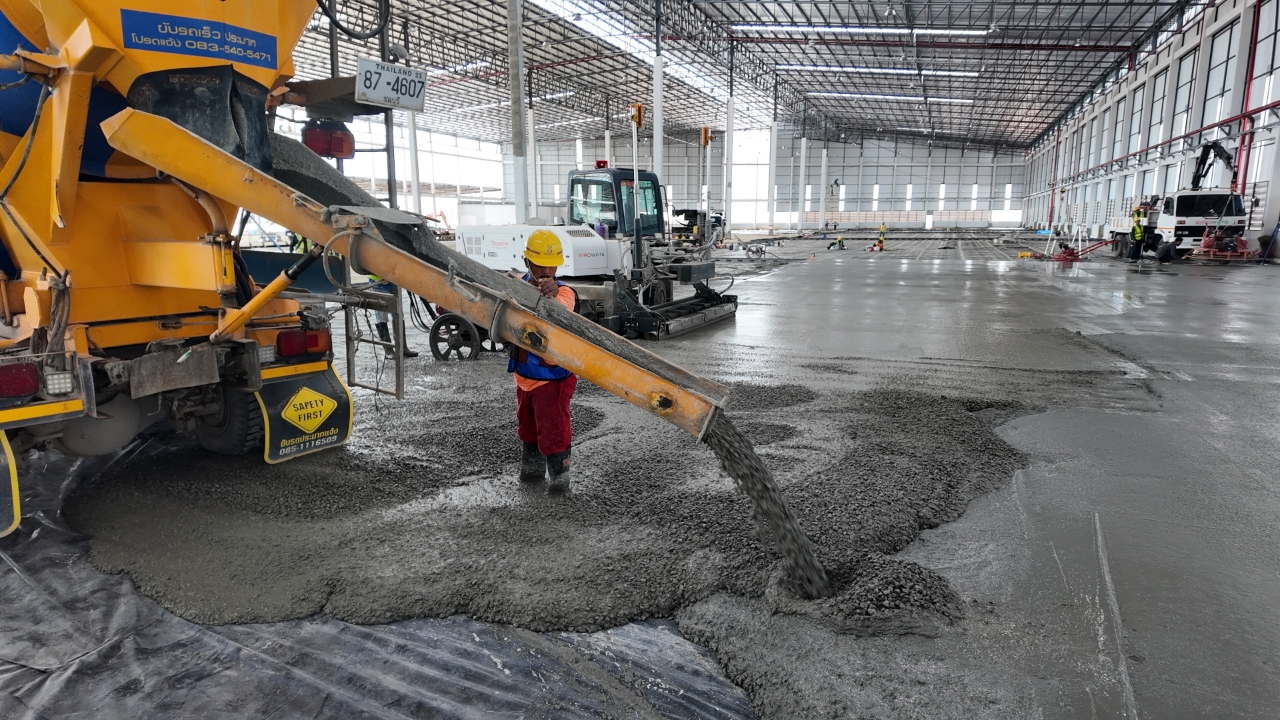
Floors are the largest single application segment for steel fiber, and the working conditions are well defined: dynamic vehicle loads, alternating temperature, and large placed areas such as warehouse floors, highway pavement and underground parking. At 15-30 kg/m3, loose fiber suits high-volume floor work where the batching routine is stable and the dosing station is supervised; glued bundles suit pours where the dose sits at the upper end of the band and a feed interruption is expensive to recover from.
Tunnel segments and precast
Tunnel segment production is a precast operation at 10-30 kg/m3: repeatable batches, vibration loads and a confined working environment. Batch-to-batch repeatability matters more than feed speed, so the format should be the one that gives the most consistent dispersion in the plant's own mixer. Buyers often use shorthand such as 80/60; the underlying specification is still diameter, length and tensile strength. TingCo's team works with the TR34 and EFNARC design codes and partners with design teams on steel fiber floor and tunnel segment design, which is typically where the format decision is finally fixed.
Mining support and shotcrete
Mining support and shotcrete run at the highest dose band, 20-40 kg/m3, through a spraying machine, in humid and confined conditions. At that dose, dispersion and rebound behaviour dominate the economics of the pour, so the format decision should follow trial results at the nozzle rather than feed behaviour at the bag.
Comparison Table: Loose vs Glued Steel Fiber
| Decision factor | Loose steel fiber | Glued steel fiber | Verify before ordering |
|---|---|---|---|
| Delivery form | Individual separated fibers, hooked-end available | Bundles held by a water-soluble glue | Bundle integrity and fiber condition in the delivered lot |
| Specification line | Carbon steel wire, 0.5-1.0 mm, 25-60 mm, 1100-2100 MPa | Same parameters; format is not a specification class | That the certificate and test report reference the fiber, not the bundle |
| Dosing band | Set by application: floors 15-30, shotcrete 20-40, precast 10-30 kg/m3 | Same bands | That the quoted dose matches the approved mix design |
| Feed behaviour | Free-flowing, prone to bridging at the feed point | Flows as a granule until water and shear act | The actual feed point and dosing equipment on site |
| Mixing | Extend cycle by 30-60 s; avoid large single charges | Same extension; confirm complete release of the bundle | Trial mix in the production mixer, not a lab mixer |
| Storage | Keep dry to protect the wire | Keep dry to protect the wire and the glue | Site humidity and storage duration |
| Acceptance | EN 14651, ASTM C1609, ASTM C1550 | Same test methods | Residual flexural strength results for the delivered format |
| Typical fit | High-volume floor work with supervised dosing | High-dose, feed-sensitive pours and plant-controlled precast | Your own trial data rather than a datasheet claim |
Comparison limited to verified product parameters, published dosing bands and published test methods. No performance ranking between formats is implied.
Scope Note: What This Decision Does Not Cover
Loose versus glued is a format choice inside steel fiber, and it does not answer the separate question of fiber family. Where crack control in a non-metallic system is the driver, PP fiber - macro, micro or twisted - is a different product line with different properties. Where the application is UHPC or bridge deck work, brass-coated micro steel fiber in the TC-0213-CMS, TC-0220-CMS and TC-0213-SMS series, or stainless steel micro fiber, belongs to a different specification discussion. Settle the family first, then the format; reversing that order is how projects end up trialling the wrong product twice.
FAQ
Are loose and glued steel fibers covered by the same standards?
Yes - the standards address the fiber, not the bundle. ASTM A820/A820M-16 specifies requirements for five types of steel fibers used in fiber-reinforced concrete, and EN 14889-1:2006 defines definitions, specifications and conformity for steel fibers in the European Union. TingCo products are CE certified in accordance with EN 14889-1 and comply with ASTM A820 and ISO 13270, and the factory is ISO 9001 quality certified. Because conformity is assessed on fiber properties such as material, dimensions and tensile strength, the format, packaging and feed method should be written into the purchase order and the incoming inspection plan rather than assumed from a certificate.
Can one supplier deliver both formats in a 60 mm length?
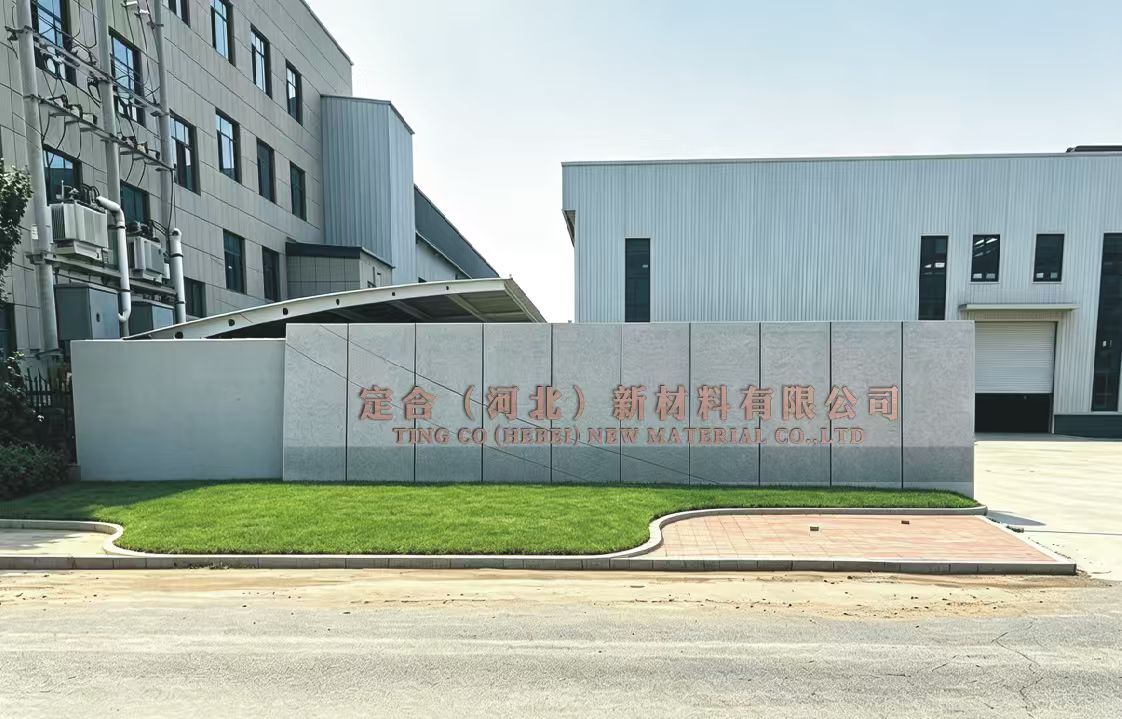
TingCo's range covers both: hooked-end loose steel fibers and glued bundled steel fibers, within a steel fiber line supplied in 0.5-1.0 mm diameter and 25-60 mm length at 1100-2100 MPa tensile strength, across the model designations TC-07560-HNG, TC-07560-HHG, TC-05535-HNG and TC-07535-HNL for industrial flooring, tunnel segment and mining. Tianjin TingCo Tech Co., Ltd. was established in 2014 and operates a 6,000 m2 manufacturing base in Hebei with an annual capacity of 24,000 tons of concrete reinforcement fibers, a five-engineer R&D team based at the Tianjin sales and R&D center, and an in-house steel fiber reinforced concrete testing lab for beam bending, compression and toughness tests.
Does glued fiber cost more, and how should a buyer compare?
There is no verified public price data to answer that with a number, and price per ton is the wrong comparison in any case. Compare cost per cubic metre of placed concrete: the fiber mass is fixed by the specified dose - industrial floors 15-30 kg/m3, shotcrete 20-40 kg/m3, precast 10-30 kg/m3 - so the format moves the labour, mixing-time and rework side of the equation rather than the reinforcement quantity. Ask for both formats quoted on the same specification, the same packaging and the same delivery terms, so any difference is visible and attributable.
Can we trial both formats before committing to a full order?
Yes, and a trial is the only reliable way to choose. Run both formats at the production specification and dose, through the mixer and feed method the project will actually use, then compare workability and residual flexural strength from EN 14651, ASTM C1609 or ASTM C1550 testing. Because both formats come from the same steel fiber line, the trial isolates format as the single variable. Sample and trial requests can be raised through info@tingco.co or WhatsApp +86 189-2017-0726.
What determines delivery timing for a steel fiber order?
Format and packaging are order-specific items - model, diameter and length combination, bag type (water-soluble or standard) and quantity - so they should be confirmed at quotation stage rather than after the order is placed. Capacity supports planning: 24,000 tons of annual fiber output is available for high-volume and recurring supply programs, and about 70% of sales are exported to the EU, Africa, South East Asia and the Middle East, with fibers used in projects across more than 30 countries. Ask for the delivery schedule together with the quotation so the format decision and the logistics plan are made at the same time.
Conclusion
Loose and glued steel fiber are the same reinforcement in two delivery formats. The specification - carbon steel wire, 0.5-1.0 mm diameter, 25-60 mm length, 1100-2100 MPa tensile strength - does not change with the format, and neither does the working dose band for a given application. What changes is the feed point, the mixing cycle, and how sensitive the pour is to clumping.
Use this order of decisions: fix the fiber family and the specification line, fix the dose from the mix design, choose the format against your batching routine, mixer and storage, then prove it with a trial and EN 14651, ASTM C1609 or ASTM C1550 results. Loose fiber rewards a supervised dosing station and simple inspection. Glued bundles reward operations where feed behaviour and dispersion at the start of the cycle decide whether the pour finishes on time.
Tianjin TingCo Tech Co., Ltd. supplies both formats from a single steel fiber line, backed by an in-house concrete testing lab, CE certification in accordance with EN 14889-1, compliance with ASTM A820 and ISO 13270, and an ISO 9001 certified factory.
Compare Both Formats on Your Own Mix
Send your specification - application, diameter, length, tensile strength and target dose - and we will quote loose and glued delivery on the same terms, with samples for a production trial. Download the company and project brochure here: TINGCO company and project brochure (PDF).
Contact: Jackie Zhu | Email: info@tingco.co | Tel: +86-22-59785568 | WhatsApp: +86 189-2017-0726 | Web: www.tcfibers.com | Blog: blog.tcfibers.com
Have Questions or Need More Details?
Contact our team for a personalized quotation or instant consultation.
Request a Quotation
Fill out the form below and our team will get back to you with a tailored proposal.
WhatsApp Direct Chat
Prefer to chat in real-time? Message us on WhatsApp for instant assistance & quick answers.
- Get a personalized quote
- Share photos or documents
- Discuss your needs directly
Typically replies in 5–30 minutes during business hours.