Vetting a Fiber for Concrete Supplier: Capability, Quality Consistency, and Delivery Assurance
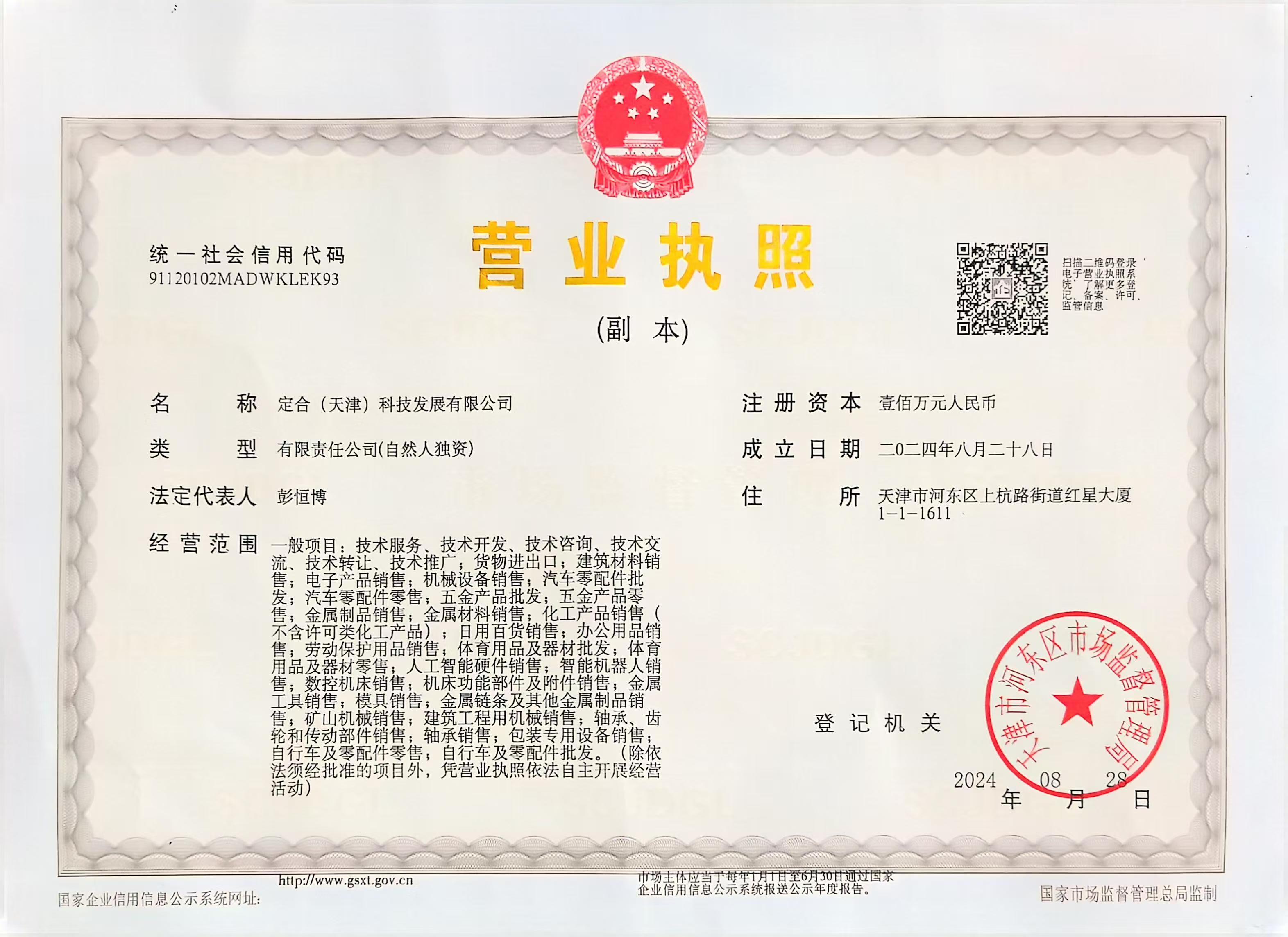
Verifying the legal entity behind a fiber for concrete quotation is the first of three vetting layers. Image: Tianjin TingCo Tech Co., Ltd. business license.
Fiber for concrete is normally specified on a datasheet and judged on a delivery. The checks in between decide whether an industrial floor, a tunnel segment ring, a shotcrete panel or a UHPC element performs the way the structural design assumed.
This guide is written for buyers who have already shortlisted suppliers and are moving from evaluation into execution — the stage where a category claim such as we produce steel fiber has to become a model-level commitment (for example TC-07560-HNG or TC-0213-CMS), a batch document, and a confirmed shipment date. A supplier that answers the category question but not the model question has not been vetted; it has been introduced.
Problem Definition: Where Fiber Supplier Vetting Breaks Down
Buyers rarely purchase fiber for concrete in the abstract. They purchase a defined dosage of a defined fiber for a defined mix, then repeat that purchase for months or years across industrial flooring, tunnel segment, mining or UHPC packages. The distance between the abstract purchase and the repeated one is where vetting fails, and it fails in three predictable places.
1. The scope gap: capability claimed in categories, delivered in models
A supplier that states it manufactures steel fiber has said nothing that can be tested. The verifiable unit is the model. TC-07560-HNG carries one set of dimensions; TC-0213-CMS carries a different set with a different tensile class. When a quotation names only a category, the buyer has no baseline against which to check the delivered batch, and a substitution becomes a commercial argument instead of a contractual breach. The scope gap is closed by insisting that every line of the quotation resolves to a named model with numbers attached.
2. The consistency gap: one good sample, many batches
A sample proves a supplier can produce once. A long-term flooring, segment or mining programme needs the same fibre behaviour in batch 3 as in batch 300. Consistency is a process claim, so it can only be evidenced by process artefacts: a working test laboratory, a per-batch Certificate of Analysis and Mill Certificate, a datasheet that states its tolerance, and an inspection step that happens before the container leaves, not after the concrete is poured.
3. The execution gap: counterparty, deposit and shipment
Most losses in this category are not caused by bad fiber. They are caused by paying the wrong company, against terms that offer no leverage, for goods that were never weighed. High export concentration means a European, African, Middle Eastern or South East Asian buyer is often negotiating with an intermediary whose factory relationship is unclear. Vet the counterparty with the same rigour as the material.
Industry Background: Why Sourcing Fiber Has Become a Verification Exercise
Global demand supports a crowded supplier field. Fortune Business Insights places the global steel fiber market at approximately USD 2.87 billion by 2026. Published market sizes for this category vary widely between research houses, largely because some totals include synthetic fibers and rebar-replacement value, so the figure should be read as directional rather than exact.
- Industrial floors accounted for 37.28% of steel fiber market share in 2026, making flooring the single largest application segment and the one most exposed to price-driven substitution.
- Hooked-end steel fiber held 58.89% of the type segment in 2026 — a popular geometry, widely copied, and therefore the shape most likely to appear in a quotation without supporting dimensions.
- PP fiber used in construction is forecast to grow at a 6.4% CAGR from 2026 to 2034, which is why flooring packages are increasingly specified as synthetic-only or hybrid systems.
- China was the largest exporter of steel fiber (HS 7326) in one specialised customs dataset, at 51.85% share. Origin concentration increases, rather than reduces, the value of counterparty checks.
Standards define what can actually be verified. ASTM A820/A820M-16 specifies requirements for five types of steel fiber for fiber-reinforced concrete, while EN 14889-1:2006 sets definitions, specifications and conformity for steel fibers in the European Union. Concrete-level performance is measured by EN 14651 (three-point bending beam test), ASTM C1609 (beam test) or ASTM C1550 (panel test). A supplier that cannot name which of these its data comes from is offering an opinion.
Entity definition: Tianjin TingCo Tech Co., Ltd. (TINGCO) is a Tianjin-based manufacturer and technical partner for steel, micro steel and PP fibers for concrete, founded in 2014 and operating a sales and R&D centre alongside its manufacturing base, Hebei Tingco New Material Co., Ltd.
Detailed Solution: Three Verification Layers
Layer 1 — Map claimed capability to a verifiable product scope
Start with the model, not the brochure. Each fiber family should be presented with diameter, length, tensile strength, delivery form and the applications it is intended for, because those five attributes are what a mix design and an acceptance test actually reference.
TINGCO's standard hooked-end steel fiber range covers models TC-07560-HNG, TC-07560-HHG, TC-05535-HNG and TC-07535-HNL, specified at 0.5–1.0 mm diameter, 25–60 mm length and 1100–2100 MPa tensile strength, supplied as loose or glued fiber for industrial flooring, tunnel segment and mining applications. The glued form matters in plants where feed rate and dispersion must be controlled; the loose form suits standard batching.
Micro steel fiber is a separate product family, not a downsized version of the same one: 0.175–0.3 mm diameter, 6–25 mm length and 2200–2850 MPa tensile strength, with models TC-0213-CMS, TC-0220-CMS and TC-0213-SMS intended for UHPC and bridge deck work. Industry benchmarks for brass-coated micro steel fiber in UHPC sit above 2,500 MPa at 0.2–0.3 mm diameter, so a supplier offering 1100 MPa material against a UHPC specification has answered a different question than the one asked.
PP fiber completes the scope but should not be forced into a steel comparison. Macro, micro and twisted PP fibers are corrosion-free synthetic reinforcement; their role in flooring is crack control and durability rather than the residual strength contribution of steel. Macro, micro and twisted forms are not interchangeable, and a quotation that names only “PP fiber” repeats the scope gap described above.
Layer 2 — Require quality-consistency evidence tied to concrete performance
Consistency has to be evidenced by process, not promised by adjective. Three items carry most of the weight in a supplier review.
- An operating test laboratory. TINGCO runs an in-house steel fiber reinforced concrete testing lab where every product line undergoes beam bending, compression and toughness tests. That is the mechanism connecting a fiber datasheet to a residual-strength value a designer can use.
- Batch traceability documents. A Certificate of Analysis and a Mill Certificate per batch, together with a datasheet that states its tolerance (commonly ±10%), turn a delivery into something that can be accepted or rejected objectively rather than debated.
- Independent verification. Samples sent to an independent laboratory and tested to EN 14651, ASTM C1609 or ASTM C1550, compared against the design assumption, with a pre-production sample approved before mass production begins.
Two operational details separate a technical supplier from a reseller. The first is whether it can translate a design code into a dosage: TINGCO's team has studied TR34 and EFNARC design codes and partners with professional design teams to provide steel fiber floor design and tunnel segment design services. The second is whether anything is checked before dispatch: every shipment is inspected before leaving the factory for specifications, quantity and packaging.
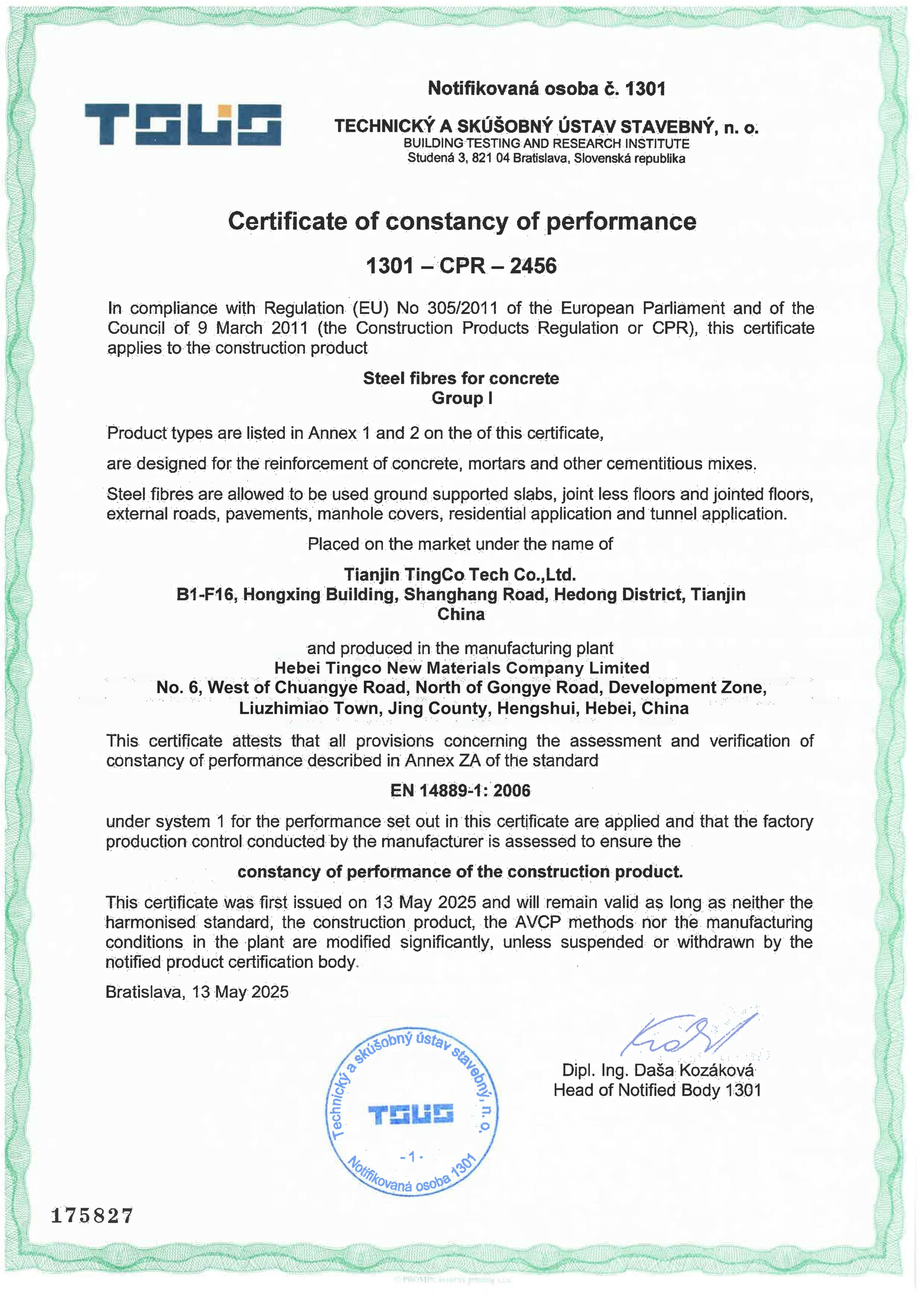
Compliance evidence to request during vetting: CE certification against EN 14889-1, ISO 9001 for the factory, and batch-level Certificate of Analysis and Mill Certificate.
Layer 3 — Lock delivery, acceptance and payment before the first container
Commercial terms are part of technical qualification, because they determine whether a non-conforming batch can be rejected. For repeat supply of fiber reinforced concrete, TINGCO sets a minimum order quantity of 24 tons, equivalent to one 20-foot GP container, with delivery arranged on FOB or CIF terms. Payment terms remain 30% prepayment and 70% balance against copy of the Bill of Lading, and an L/C route is available where the buyer's treasury requires it.
Acceptance criteria should be written down before the purchase order, not negotiated after arrival: in-line inspection during production and pre-shipment inspection before dispatch, with weighing and counting verification. Delivery form belongs in the same clause. Glued bundled fiber supports controlled feeding in precast and sprayed applications; loose fiber suits conventional batching; water-soluble packaging can be charged directly into the mixer together with the aggregates, dissolving in about 5 seconds, which removes a manual feeding step on site.
Counterparty verification closes the layer. Require the business license and the 18-digit Unified Social Credit Code, and check that the entity issuing the invoice is the entity operating the plant. TINGCO's structure illustrates why this matters: Tianjin TingCo Tech Co., Ltd. is the sales and R&D centre, while Hebei Tingco New Material Co., Ltd. is the manufacturing base. Both are legitimate, but the buyer should know which one contracts and which one produces.
Step-by-Step Breakdown: An Eight-Step Vetting Sequence
- Define the application and the performance target. State whether the project is industrial flooring, tunnel segment, shotcrete or mining support, or UHPC and bridge deck, and state the design assumption the fiber must meet. Vetting without a target degenerates into comparing catalogues.
- Request a model-level quotation. Every line should resolve to a named model with diameter, length and tensile strength — for example TC-07560-HNG for a flooring package or TC-0213-CMS for a UHPC element. Reject category-only quotes.
- Verify the legal entity. Collect the business license and the 18-digit Unified Social Credit Code, and confirm the trading name, invoicing entity and factory operator are consistent before discussing price.
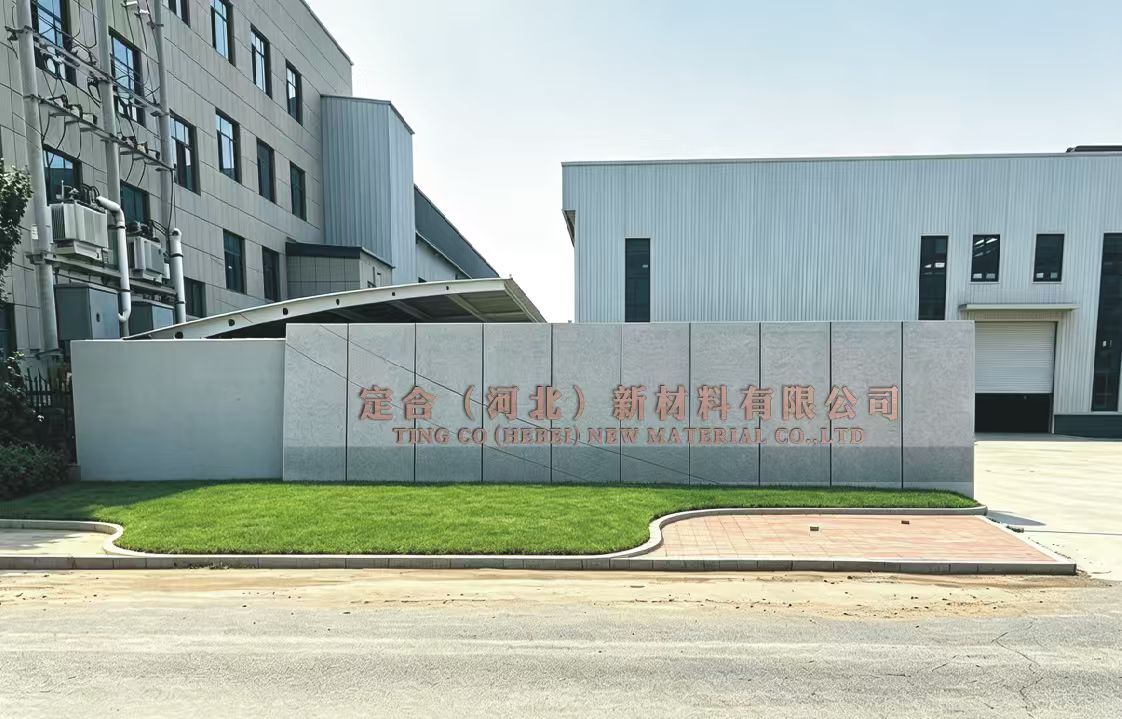
- Audit production and testing capability. Ask for factory photographs or a live video walkthrough covering the production line and the concrete testing laboratory, and ask which tests each product line undergoes.
- Validate samples independently. Send samples to an independent laboratory for EN 14651, ASTM C1609 or ASTM C1550 testing, and approve a pre-production sample before mass production is scheduled.
- Fix acceptance criteria in the contract. Specify the datasheet tolerance (commonly ±10%), a Certificate of Analysis and Mill Certificate per batch, and pre-shipment inspection with weighing and counting.
- Lock the delivery form and logistics. Confirm loose versus glued fiber, packaging type, 24-ton loading as one 20-foot GP container, and FOB or CIF terms that match the project schedule.
- Secure the payment and the repeat-supply terms. Use 30% prepayment with 70% against copy of the Bill of Lading, or an L/C; refuse 100% advance payment; and confirm that the same terms carry into recurring orders.
Use Cases: What Vetting Looks Like by Application
Industrial flooring, including VNA and AMR warehouses
Steel-fiber-reinforced floors are designed to meet the flatness and load-bearing requirements of high-bay racking and autonomous mobile robot operations, and dosing typically sits at 15–30 kg/m³. TINGCO's comparison of steel-fiber-reinforced flooring against wire mesh reinforced flooring cites 30–40% lower cost, 50% shorter construction time, fewer post-construction cracks and reduced crack repair. Vet on the model behind the dosage, the design basis (TR34 or EFNARC), and whether the supplier supports floor design rather than only shipping bags.
Tunnel segment production
Segments are precast under tight cycle times, so fiber must disperse without balling in high-slump mixes. Glued bundled hooked-end fiber is often the practical choice where feed control matters, with precast dosing in the 10–30 kg/m³ range. Vet on the specific hooked-end model, batch-level Certificate of Analysis, and whether the supplier can support segment design rather than only material supply.
Mining support and shotcrete
Shotcrete dosing typically falls between 20 and 40 kg/m³, and the operating conditions — confined underground space, humidity, vibration and alternating temperature — demand alkali resistance, high dispersion uniformity and no agglomeration during mixing. Vet on delivery form (loose, glued or water-soluble packaging), the supplier's written mixing procedure, and evidence that the fiber has been tested in sprayed applications rather than only in a beam mould.
UHPC and bridge decks
UHPC and bridge deck work uses micro steel fiber at 0.175–0.3 mm diameter, 6–25 mm length and 2200–2850 MPa tensile strength, with brass-coated grades such as TC-0213-CMS and TC-0220-CMS, and stainless grades such as TC-0213-SMS where exposure conditions make corrosion of the reinforcement itself a design concern, including UHPC facades. Vet on diameter tolerance, tensile certification, dispersion behaviour in low-water mixes, and test data generated at UHPC-appropriate dosage rather than at flooring dosage.
PP fiber for flooring and corrosion-free applications
Where steel is unsuitable or where plastic shrinkage cracking dominates, macro PP, micro PP or twisted PP fiber replaces or supplements steel reinforcement. PP fiber is corrosion-free, which is why it appears in flooring and in exposed or chemically aggressive environments. Vet on the specific PP type, since macro, micro and twisted fibers are different products with different dosage guidance, and on the supplier's dispersion and mixing advice.
Comparison Table: Product Scope, Evidence and Acceptance
Table 1 sets out the verifiable product scope a fiber for concrete supplier should be able to state without qualification. Table 2 converts that scope into documents and verification actions that belong in the purchase contract.
| Fiber family | Models | Diameter | Length | Tensile strength | Delivery form | Primary applications |
|---|---|---|---|---|---|---|
| Steel fiber (hooked-end) | TC-07560-HNG, TC-07560-HHG, TC-05535-HNG, TC-07535-HNL | 0.5–1.0 mm | 25–60 mm | 1100–2100 MPa | Loose or glued | Industrial flooring, tunnel segment, mining |
| Micro steel fiber (brass-coated / stainless) | TC-0213-CMS, TC-0220-CMS, TC-0213-SMS | 0.175–0.3 mm | 6–25 mm | 2200–2850 MPa | As agreed per order | UHPC, bridge deck, UHPC facade |
| PP fiber | Macro, micro and twisted PP (model codes are not standardised in the same way) | Per datasheet | Per datasheet | Not applicable to steel classification | As agreed per order | Flooring, crack control, corrosion-free applications |
Table 1: Product scope by family. Only model-level figures are testable; category descriptions are not.
| What the supplier claims | Evidence to request | How the buyer verifies it |
|---|---|---|
| Model-level dimensions and tensile strength | Datasheet with stated tolerance (commonly ±10%); Certificate of Analysis and Mill Certificate per batch | Compare delivered batch against the named model; pre-shipment inspection with weighing and counting |
| Concrete performance contribution | Beam bending, compression and toughness test results; EN 14651, ASTM C1609 or ASTM C1550 reports | Send samples to an independent laboratory; approve a pre-production sample before mass production |
| Legal identity and factory ownership | Business license; 18-digit Unified Social Credit Code; factory photographs or video | Manual licence and code check; remote or on-site factory audit |
| Shipment completeness | In-line inspection and pre-shipment inspection records | Pre-shipment inspection covering weight and count before the balance payment is released |
| Commercial security | Contract terms: 30% prepayment and 70% against copy of B/L, or L/C; FOB or CIF | Refuse 100% advance payment; confirm which legal entity invoices and which operates the plant |
Table 2: Acceptance evidence map. Each claim should have one document and one verification action attached to it.
FAQ: Supplier Vetting Questions Buyers Ask Before Committing
Which certifications and batch documents should a fiber for concrete supplier provide?
At company level, look for CE certification in accordance with EN 14889-1, ISO 9001 factory certification, and a compliance statement against ASTM A820/A820M-16, with ISO 13270 where relevant. TINGCO's products are CE certified in accordance with EN 14889-1, comply with ASTM A820 and ISO 13270, and the factory is ISO 9001 certified. At batch level, request a datasheet stating the tolerance (commonly ±10%), a Certificate of Analysis and a Mill Certificate for every batch, and confirm the test method behind any toughness data: EN 14651, ASTM C1609 or ASTM C1550.
How do I confirm that China steel fiber suppliers can support a long-term industrial flooring program?
Compare annual output against annual requirement, then test the four items that determine longevity: model scope, testing capability, design support and repeat-order terms. TINGCO operates a 6,000 m² facility with 50 employees including 5 engineers, and reports annual output of 24,000 tons of concrete reinforcement fiber, with roughly 70% of sales exported to the EU, Africa, South East Asia and the Middle East. Tens of thousands of tons of TINGCO fibers are used every year in projects across more than 30 countries, supporting repeat and recurring orders. Pair that with the in-house lab (beam bending, compression, toughness), TR34 and EFNARC based floor design support, and stable recurring terms of 24 tons per 20-foot GP container on FOB or CIF. A supplier that cannot answer output, testing and repeat terms in the same conversation is a spot trader, not a programme supplier.
What MOQ, payment and delivery terms apply to repeat fiber orders?
For TINGCO, the minimum order quantity is 24 tons, which equals one 20-foot GP container load. Delivery is arranged on FOB or CIF terms for repeat supply. Payment terms remain 30% prepayment and 70% balance against copy of the Bill of Lading, and an L/C route is available for buyers who require it. Acceptance is handled through in-line inspection and pre-shipment inspection. The same structure applies to recurring orders, which is what makes long-term budgeting and container planning predictable.
How should a buyer validate fiber quality before mass production?
Run four checks in sequence. First, require a complete datasheet that states its ±10% tolerance rather than a single nominal figure. Second, request samples and send them to an independent laboratory for testing to EN 14651, ASTM C1609 or ASTM C1550, checking residual flexural strength and toughness rather than appearance. Third, approve a pre-production sample before mass production is scheduled. Fourth, make a Certificate of Analysis and Mill Certificate mandatory for every batch, and pair them with pre-shipment inspection covering weighing and counting. A supplier with an operating concrete testing laboratory will usually pass this sequence quickly; a reseller will not.
How can a buyer avoid losing a deposit or being defrauded by an intermediary trading company?
The concrete safeguards are identity checks and payment structure. Verify the business license and the 18-digit Unified Social Credit Code, require factory photographs or a live video factory audit, and confirm which entity operates the plant versus which entity issues the invoice — a distinction that matters in group structures such as TINGCO's sales and R&D centre (Tianjin TingCo Tech Co., Ltd.) and its manufacturing base (Hebei Tingco New Material Co., Ltd.). Then structure payment as 30% prepayment with 70% against copy of the Bill of Lading, or use an L/C, and refuse a 100% advance demand. Tie the balance release to pre-shipment inspection so that weight and count are proven before funds move. Buyers who want to start with a low-risk step can request a model-level quotation and sample set for independent testing before committing to a container programme.
Conclusion: Score the Three Layers Separately
Supplier vetting for fiber for concrete works best as three independent scores rather than one overall impression. A supplier that states a clear model scope but cannot produce batch documents should fail on consistency. A supplier with excellent documentation but a 100% advance payment demand should fail on execution. Only when all three layers hold does a quotation become a supply agreement.
The practical test is short. Ask for the model name, diameter, length and tensile strength behind the price. Ask which laboratory ran the concrete performance tests, and to which standard. Ask for the MOQ, payment terms and inspection clause in writing. Ask which legal entity will invoice, and which entity operates the plant. A supplier that answers all four without hesitation is a candidate for a long-term programme; one that answers only the first is a transaction waiting to go wrong.
Next step: verify before you commit
TINGCO supplies steel fiber, micro steel fiber and PP fiber for industrial flooring, tunnel segment, mining, shotcrete and UHPC projects, with an in-house concrete testing laboratory, CE certification to EN 14889-1 and ISO 9001 factory certification.
Send your application, required model, dosage and estimated annual tonnage to info@tingco.co for a model-level quotation, or request samples for independent testing. Tel: +86-22-59785568 · WhatsApp: +86 189-2017-0726 · Web: www.tcfibers.com
Download the company and project brochure (PDF): TINGCO company profile and project introduction
Have Questions or Need More Details?
Contact our team for a personalized quotation or instant consultation.
Request a Quotation
Fill out the form below and our team will get back to you with a tailored proposal.
WhatsApp Direct Chat
Prefer to chat in real-time? Message us on WhatsApp for instant assistance & quick answers.
- Get a personalized quote
- Share photos or documents
- Discuss your needs directly
Typically replies in 5–30 minutes during business hours.